
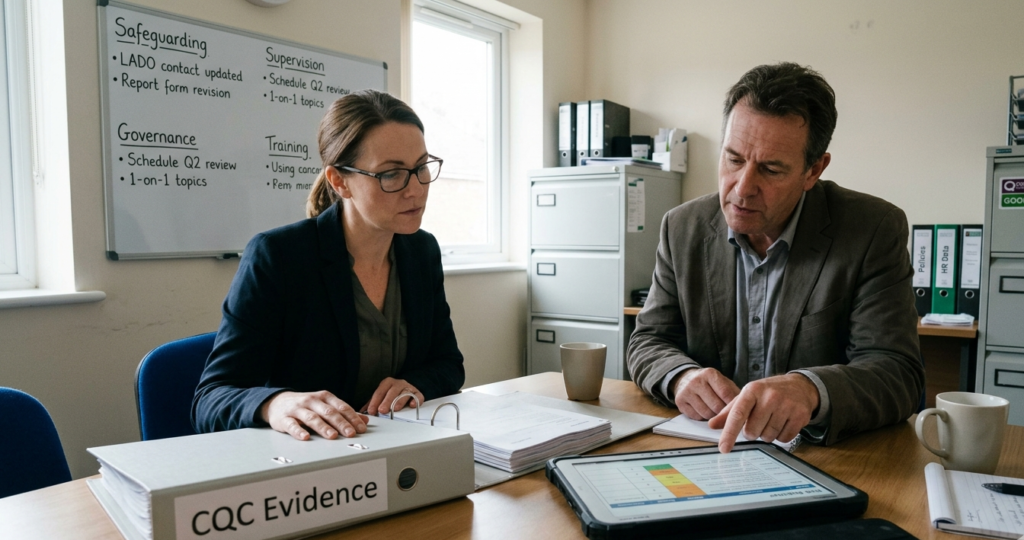
At Global Compliance Consultants, our CQC registration consultants in the UK regularly support domiciliary care providers who underestimate how demanding the process can be. The challenge is not bureaucracy, but proving readiness to deliver safe care from day one.
New providers often focus on ticking boxes. However, the CQC focuses on whether you understand your legal responsibilities and can deliver safe care from day one. Getting this wrong leads to delays, rejected applications, or worse, inspection problems later.
CQC domiciliary care registration
Why You Need a CQC Registration Consultant in the UK?
CQC registration is not approval of a business idea, it confirms you can operate a regulated service safely and lawfully. Working with a CQC registration consultant UK ensures clarity on leadership, governance, safeguarding, and compliance.
When Domiciliary Care Services Must Register?
Most domiciliary care registration London providers must register if they deliver personal care such as washing, dressing, or toileting. Operating without registration is a serious offence.
You can check the official definition of regulated activities on the Guidance and regulation – Care Quality Commission
Understanding Regulated Activities
CQC regulated activities for domiciliary care
CQC compliance support is essential when defining regulated activities. Incorrect scope leads to delays, clarifications, or refusals. Early mistakes have long‑term consequences.
How choosing the wrong activity delays approval ?
Incorrect scope triggers follow‑up questions, requests for clarification, or in some cases a refusal. This one of the most common CQC application mistakes we see. Decisions made early have long‑term consequences.
Applying for registration with the CQC
How to Apply for CQC Registration?
Applications are submitted via the provider portal. However, completing the portal is only part of the work. You must explain how your service will operate, who is responsible, and how risks are controlled.
What the CQC reviews during application assessment?
The CQC looks for consistency. They cross‑check your Statement of Purpose, policies, governance arrangements, and manager experience. Weak governance and compliance systems are quickly exposed, even before inspection.
Application requirements and supporting evidence
Evidence required to support a domiciliary care application
Evidence matters more than intent. The CQC expects proof of readiness, including governance frameworks, safeguarding policies, recruitment processes, and risk assessments. Our mock CQC inspection service helps providers identify gaps before submission.
Evidence matters more than intent. The CQC expects proof of readiness, including:
- Clear organisational oversight
- Risk assessments and safeguarding arrangements
- Recruitment and supervision processes
Missing or generic documents are a common reason for delay.
Care policies and procedures the CQC expects to see
Policies must reflect how your service will actually operate. Copy and paste documents rarely withstand scrutiny. Inspectors are familiar with templates and will test whether staff understand and follow them.
If you are still developing systems, our earlier article on building care governance frameworks for new providers explains where many applications fall down.
Common Mistakes and Delays
Most delays come from unclear roles, unrealistic staffing plans, or weak oversight. Rushed applications cost far more time than careful preparation.
Get Expert Support from GCC
Global Compliance Consultants provides expert CQC registration support for domiciliary care providers in the UK. Whether you need compliance consultancy, inspection preparation, or a mock CQC inspection, our consultants help you get approved faster.
Website: https://globalcomplianceconsultants.com/
Email: info@globalcomplianceconsultants.com
Phone: +44 7440035519